







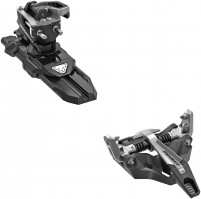
Wanted to leave a review to prevent people from having the same issue I did.
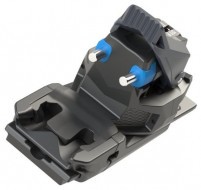
DO NOT lock the toe into uphill mode. There’s no point. When your boots click in they’re naturally in “ski mode” and that is enough for 99% of applications with this binding, because the springs are very tight. I broke plastic components in the binding toe piece trying to get the lever up into uphill mode, because I guess there was some ice in the metal toe tech inserts. Now I’m pretty sure the binding still works fine in ski mode, will have to do some testing.
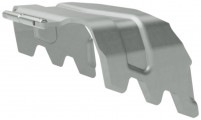
But yeah overall this binding uses too much plastic. I second the plastic brake issues of other users. There is waaaaay too much wear on the brake retainer for how little I’ve actually used the brakes, for example. It seems like the brake has struggled to engage when I’ve needed it to and failed to stow away during tour mode on other times, forcing me to remove the brake and mess around with the retainer.
As as I’ve read from Andreas since breaking my toepiece you could minimize the pressure exerted on the toe lever assembly by pressing onto the little piece marked “ski” under the toe lever, you can get the toepiece locked into uphill mode much easier. But that shouldn’t have to be the solution… more metal would of course prevent the issue that I’ve faced.
Pros:
-easy to click the toe of your boot in
-lightweight
-has optional brake in many widths
-feels secure even for hard skiing (I used it for speedriding a few times)
-adjustable din on the heel
Cons:
-unreliable construction of toe piece as others have mentioned, and as evident by my broken toepiece also
-PITA to get the heel turned 180 degrees while you’re clicked into the binding. I’d say it’s MUCH harder then any Dynafit speed series bindings, but just slightly easier then the burly G3 ION 12 for example. Of course if you take the ski off during transitions then not a big issue.
-brake retainer is very unreliable and made out of weak plastic. If I was doing a hut to hut trip with the brakes I’d 1000% make sure to double check I’ve brought a screwdriver.
-value proposition isn’t there. There are much nicer bindings with brakes for a small upcharge. Cheaper bindings on the SkiMo website are also more reliable and have nicer construction, but many don’t have the option for adding brakes so there’s the trade off.
That’s it!
Fritschi Xenic 10 Binding
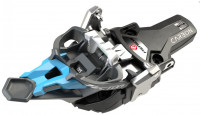
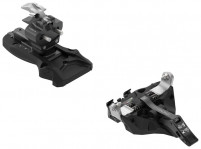
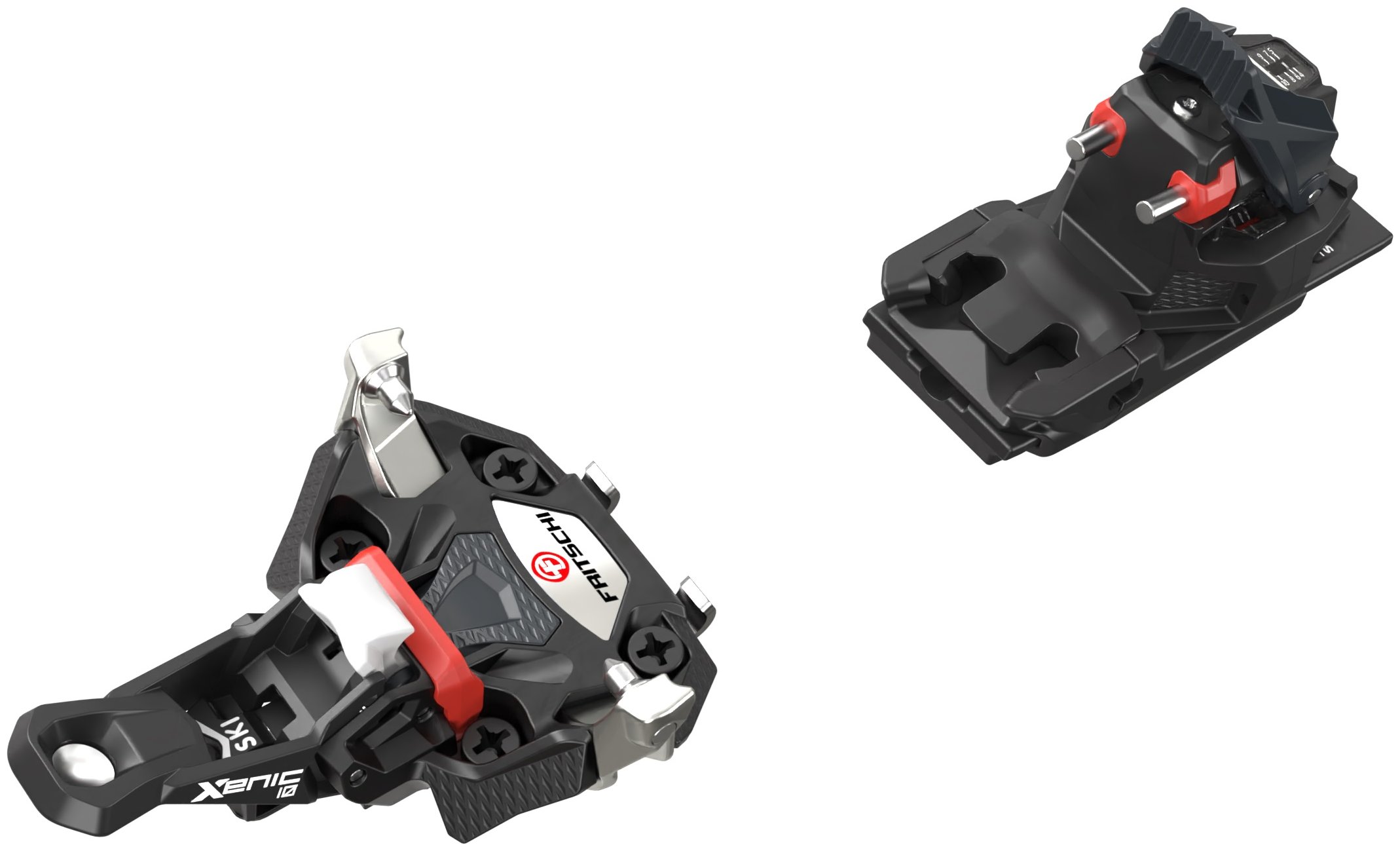
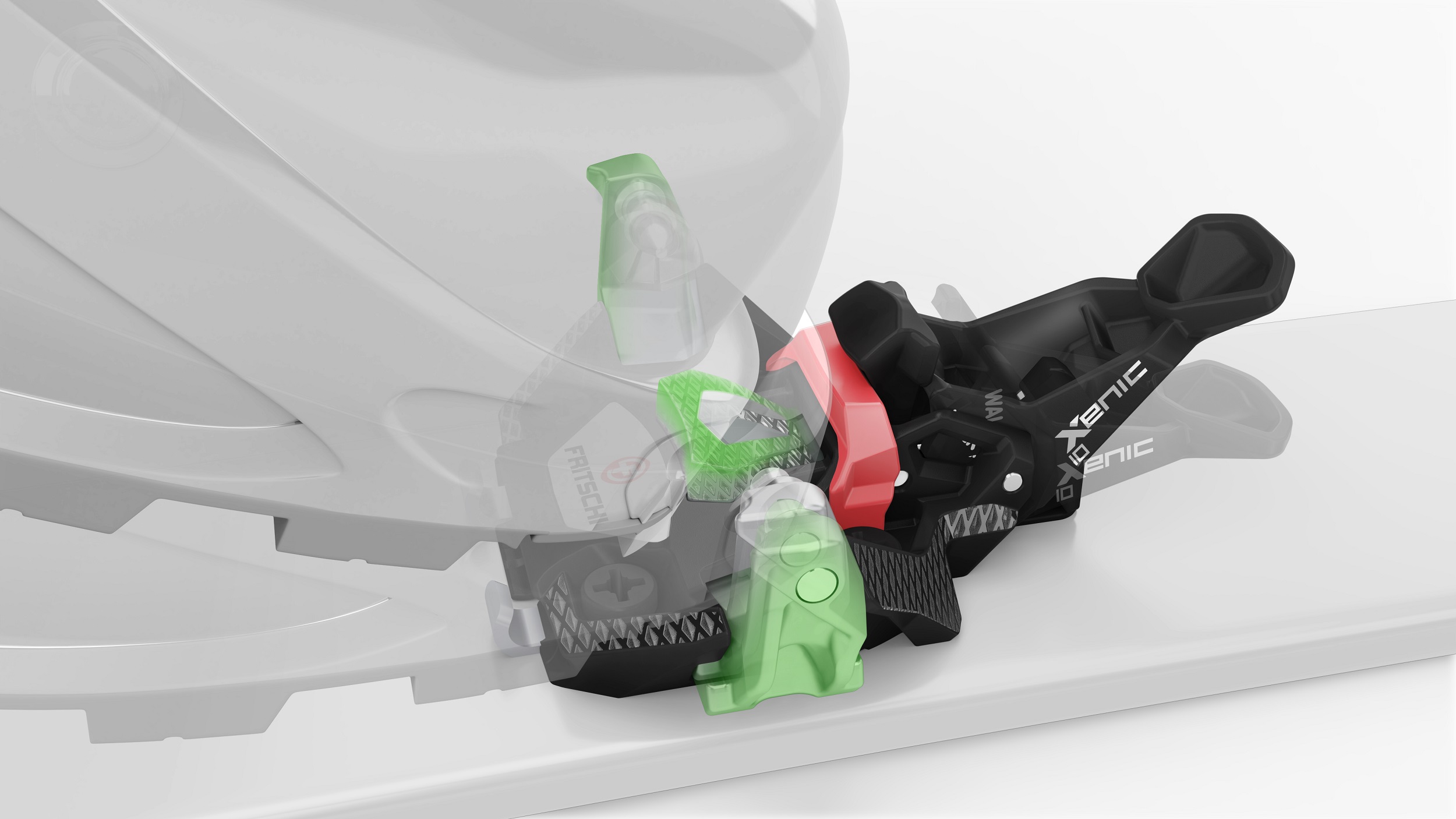
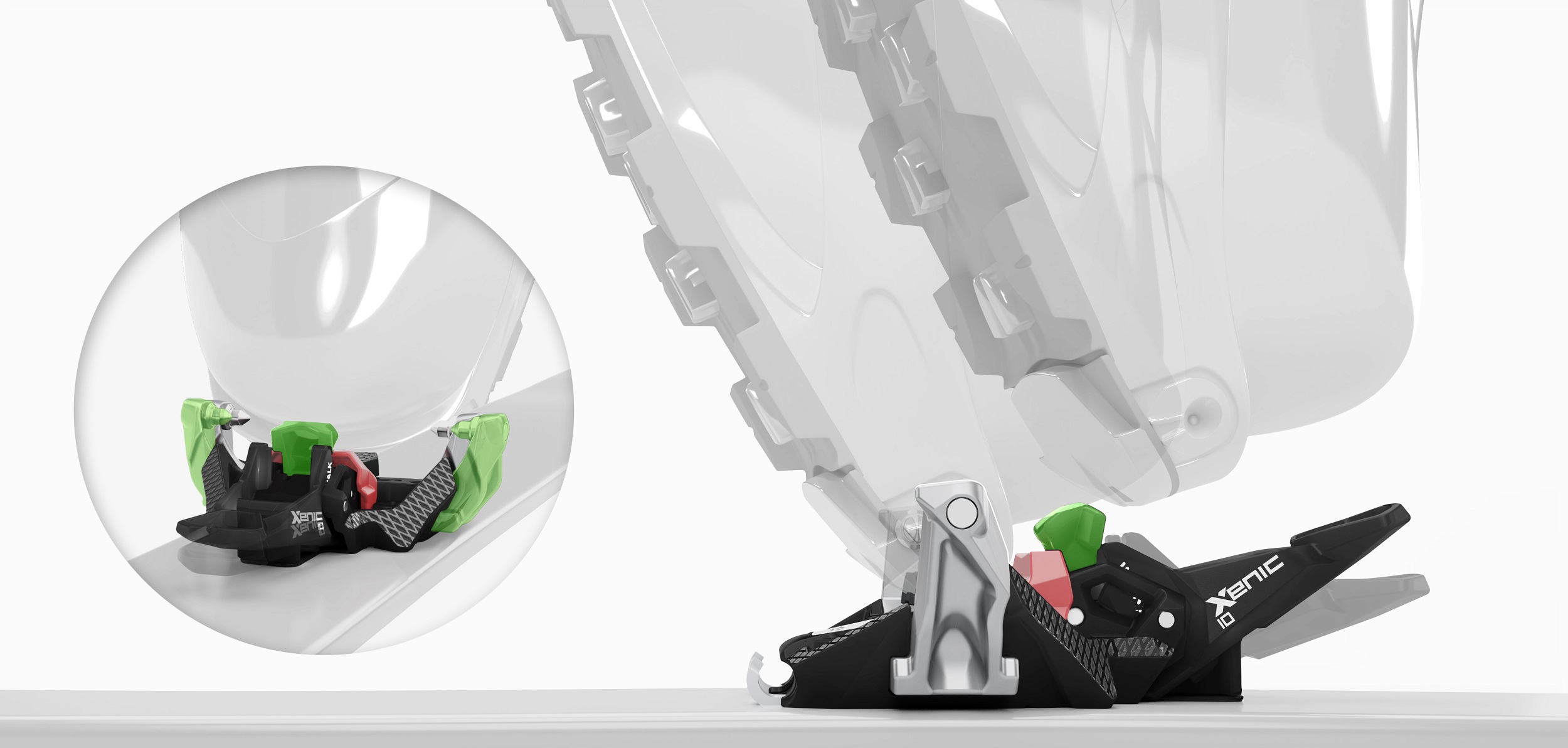
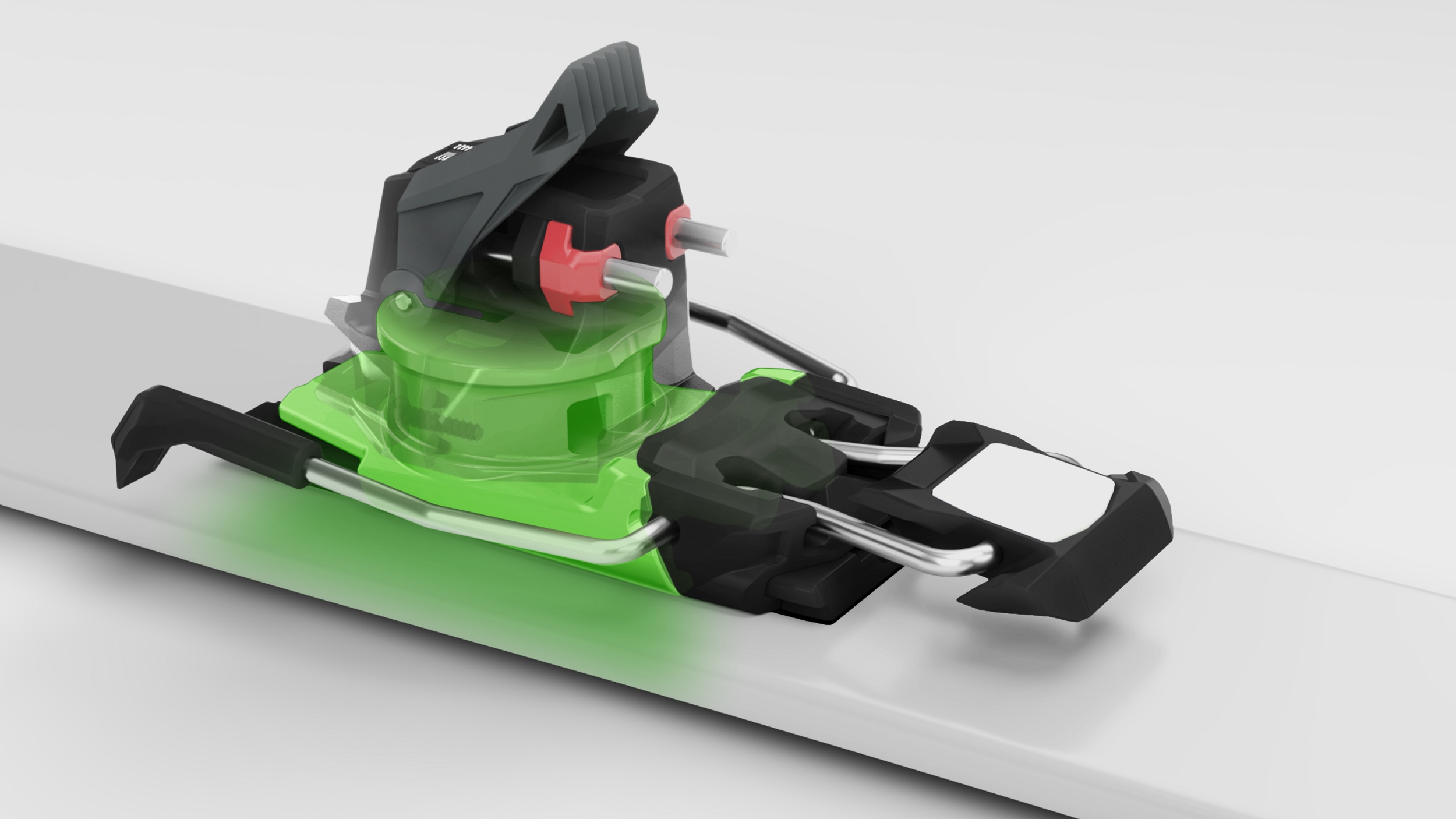
The Swiss binding makers at Fritschi have been trend-buckers in an industry that typically prioritizes lightweight construction over all else. Providing competitively weighted bindings while emphasizing release safety, durability, and ease of use is the name of the game for them. The Xenic binding checks all those boxes, weighing in under 300g and offering lateral toe elasticity, an uncommon safety feature in tech bindings. The Fritschi design wizards accomplished this feat of engineering with toe pins that slide side-to-side independent of the toe lever, giving skiers a comfortable zone for managing impacts before flying free from their binding. For skinning, the pins lock out by pulling all the way up with the toe lever, providing security in no-fall zones. With brakes that pop on and off with a few simple screws, the Fritschi Xenic binding is a serious option for committed backcountry skiers who are willing to carry a few more grams to afford themselves a higher margin of safety.
- Optional brakes have a lockout that engages once the heel is rotated and keeps the brake locked down until rotated back to ski mode.
- True to Fritschi roots, the Xenic is made of innovative composite materials that are lighter than alloys while maintaining serious durability.
- Heel piece offers 6mm of elasticity in the heel, and switches from ski to walk simply by turning it 180 degrees, with a flat mode and single riser.
- Fritschi Easy Step-In technology makes clipping in a one-try deal, no more fiddling with snow-jammed bindings-- just line it up and push down.
- Adjustable heel unit accommodates different BSLs, which is great for folks with several boot options.
- Lateral and vertical release values can be adjusted independently within a range of 4-10.
- Made in Switzerland.
Update 2021/22: The plastic is now carbon-infused, and the housing around the base of the toe lever has been updated to mitigate icing.
Update 2022/23: The colors were tweaked; you might notice the vertical toe release trigger is now white.
Update 2024/25: The toe lever and heel spindle have metal reinforcements. Otherwise, the binding remains functionally unchanged.
| Specifications | |
|
Weight |
285g |
| Weight (pair) | 570g |
|
Boot |
Tech |
|
Brakes |
Accessory 85, 95, 105 |
|
BSL |
25mm |
|
Riser |
1 + flat |
|
Vertical |
4-10 |
|
Lateral |
4-10 |
|
Crampon |
Included Option |
| Specs Verified | Yes |
| Design | |
|
|
Aluminium and ultra-strong plastic |
| Skimo Co Says | |
| Usage | Backcountry ski touring, mountaineering |
| Notes | Lateral elasticity in the toe improves retention over typical designs |
| Bottom Line | A very dialed sub-300g binding with fully adjustable release values |
| Compare to other Lean Bindings | |
Related Products
Questions & Reviews
7/15/2026
 Daniil O
(used product regularly)
Daniil O
(used product regularly)
Comment on this review:
1/30/2026
I'm seeing FRITSCHI XENIC PLUS 10 and 12 in Ski Rando Mag this year. Any plans to carry either of those?
1/30/2026
Bruce, So far we aren't. They only make it with a ski brake. And the brake doesn't have a sliding AFD.
Answer this question:
3/4/2024
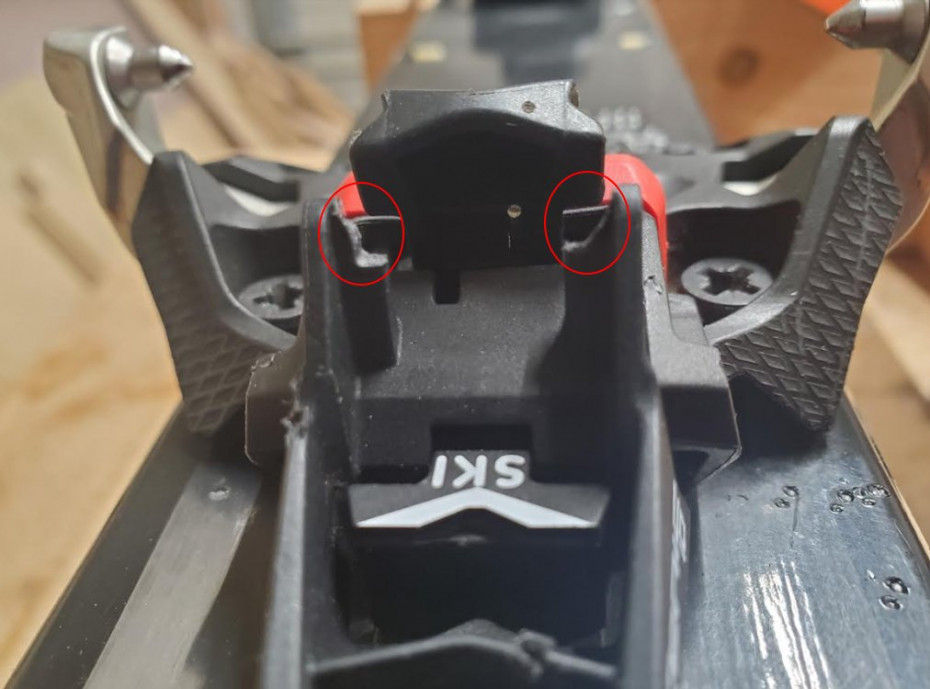
Do you sell individual toe pieces for this binding? My toe lever was completely iced over, and the plastic tabs that interface with the vertical toe release bumper broke off while trying to get my boot out of the binding (see image)
3/4/2024
Hi Chris,
Unfortunately, we don't sell individual toes for the Xenic.
Unfortunately, we don't sell individual toes for the Xenic.
3/12/2024
Seems like that changed in the last 5 minutes: Xenic toe pieces.
3/12/2024
Indeed, Peter! Chris inspired us to make the individual pieces available.
Answer this question:
1/8/2024
Hi guys, I got this binding in Spring 2022 from you - now I need to upgrade my boots. I'm currently in Scarpa F1's. Over the weekend I had a buddy try his Tecnica boot in these bindings but he was not able to engage the toe piece. Tecnicas seem too short?
I was thinking of getting the Tecnica Zero G Tour Pro: Does that engage the toe piece?
If not, do the Scarpa F1's still engage the toe piece?
Thanks! Also, I had no issues so far with these bindings, in case anyone wonders. I even had them ice over completely on Mt Shasta's rime ice, but hitting them lightly with an ice ax removed enough of it to step in without issues. In case anyone wonders...
I was thinking of getting the Tecnica Zero G Tour Pro: Does that engage the toe piece?
If not, do the Scarpa F1's still engage the toe piece?
Thanks! Also, I had no issues so far with these bindings, in case anyone wonders. I even had them ice over completely on Mt Shasta's rime ice, but hitting them lightly with an ice ax removed enough of it to step in without issues. In case anyone wonders...
1/10/2024
Hi Phillipe, I just tried a Tecnica Zero G Tour Pro and an F1 here in the shop with this binding. The Tecnica has a little more plastic near the toe pins and it helps to come into the toe piece at a slight sideways angle to slot it into a single pin first, and then roll it over to the other, but it engages just fine. The F1 steps right in.
Answer this question:
7/11/2023
I am having a problem with keeping the brakes stowed in touring mode. They frequently fail to stow initially, then self-deploy on the uphill. Any tips on what to look out for that might be causing this? See my photo of installed brakes in an earlier question/answer on 3/20/2021.
7/12/2023
Hi Peter, your issue is likely due to the plastic on the brake retainer (the stationary part in front of the rotating tower) getting worn down. On the opposite side of the heel from the pins is a little ridge on a platform that sticks out, when you rotate the tower, that ridge slides into a contour on the brake retainer, sliding it back and engaging the brake lock. As that contour gets worn, it becomes harder for the brake lock to properly engage. A new brake retainer should fix your issue. Looks like we don't have any in stock, but if you can't source one, send us an email to help@skimo.co and we can look into procuring one for you.
Answer this question:
12/21/2022
 Matt
(used product regularly)
Matt
(used product regularly)
Xenic 10 review after going into 3rd season of backcountry AT use mounted on a Wayback 106.
Haven’t had any troubles. Step in is pretty easy with Dynafit Seven Summits boots.
Locking/unlocking the toes is easy, too. This even works with pole.
Switching to uphill mode and back by turning the heels works very good when flipping the heel risers into active position first. Very cool how the brakes lock while ascending.
Will try them as a TTS toe piece, too.
Haven’t had any troubles. Step in is pretty easy with Dynafit Seven Summits boots.
Locking/unlocking the toes is easy, too. This even works with pole.
Switching to uphill mode and back by turning the heels works very good when flipping the heel risers into active position first. Very cool how the brakes lock while ascending.
Will try them as a TTS toe piece, too.
Comment on this review:
4/26/2022
I understand the bindings ship without brakes. Looking at the pictures of the Xenic, it seems I would only have to buy the brake as the attachment plate is part of the binding? When I look at the brake, though, it says "Attachment plate kits are NOT INCLUDED with the brakes".
So, if I wanted this binging would I have to add the brake + the attachment kit, or only the brake?
So, if I wanted this binging would I have to add the brake + the attachment kit, or only the brake?
4/27/2022
Hi Phil, this is a really good question. The attachment plate is indeed included with the binding, so you just need the brakes. In fact, the binding must be installed with the attachment plate whether or not you are using brakes.
Answer this question:
1/5/2022
Any update on this? Might be picking a pair up, would love to know.
Additionally, how much of a rotation range does it have before it spits you out of the binding?
Additionally, how much of a rotation range does it have before it spits you out of the binding?
1/6/2022
Joseph,
There were a few changes! Fritschi uses a carbon infused plastic on the 21/22 model and also made a slight change to the toe lever to help avoid icing up. In terms of the rotation range, a few factors would effect at what angle you would release laterally. If you want to get more specific you can always email us at help@skimo.co.
There were a few changes! Fritschi uses a carbon infused plastic on the 21/22 model and also made a slight change to the toe lever to help avoid icing up. In terms of the rotation range, a few factors would effect at what angle you would release laterally. If you want to get more specific you can always email us at help@skimo.co.
Answer this question:
2/27/2021
Thanks again. One more thing to check. Do you know whether the 105 brake will deploy cleanly on the 106 waist of the Movement Alp Tracks 106? I guess there should be more than 1mm leeway, but it pays to check before paying the check! :-)
2/27/2021
Hey Peter, those 105 Xenic brakes should work just fine.
3/20/2021
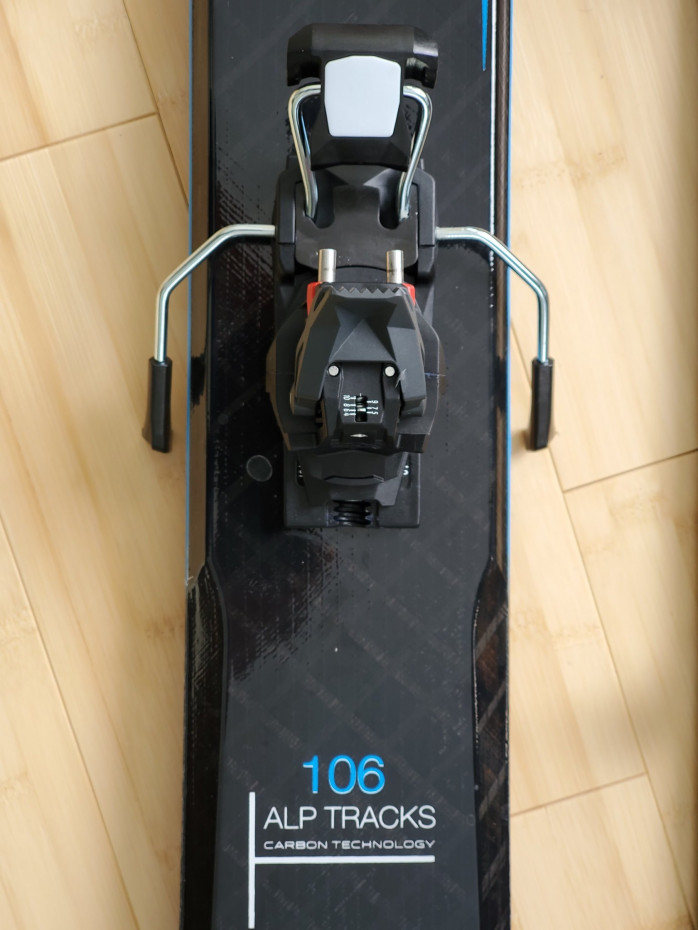
For anyone else with the same question, I can confirm that the brakes fitted with tons of room to spare.
Answer this question:
2/15/2021
I see reviewers commenting on extreme difficulty in switching toe lever to walk mode and the toe block breaking off the toe piece. Then I see a forum commentator saying that a replacement toe piece performed better. Also, lots of comments re difficulty in stepping in to the toe piece. I hate that, replaced my Fritschi Vipecs with Tectons to escape this issue. Has there been any upgrade to the toe piece to address these issues over the (short) life of the Xenic binding? Or do I have to make my G3-touting friends smug and go for the Zed? :-)
2/15/2021
Hi Peter, there was a slight refinement to the shape of the toe lever mid last season to help ease the mode-switch for certain boots, but it was nothing a file couldn't solve.
2/15/2021
Thank you. Are you seeing any toe block breakage issues. Plus, how is the step-in ease?
2/15/2021
Hi Peter, we have zero warranties on the Xenic. If the lever is being fussy people start stomping on it, which will break it on any binding. Step-in is subjective and boot dependent, I don't find it difficult.
3/10/2021
Hi Peter,
if you press down that little piece that is marked with "SKI" (located inside the lever) while switching the lever, the mode-switch actually works pretty smooth.
Highly recommend this binding!
if you press down that little piece that is marked with "SKI" (located inside the lever) while switching the lever, the mode-switch actually works pretty smooth.
Highly recommend this binding!
3/20/2021
Confirming that step-in to the toe piece was completely fuss free every time on my first day of skiing these with Dynafit Mercury boots. Nice design.
Answer this question:
I picked these bindings because of the features they offered with minimal weight. That is the biggest pro to me. I was worried about the high heel to toe delta, but haven't really noticed it.
Pros:
-Light (given the feature set)
-Inexpensive
-Optional brakes with great stowing during tour mode
-Safe release
-Independently rotating heel pins
Cons:
-Toe step-in is not quite as easy as other popular brands (using Tecnica Zero G Tour Pro boots)
-Heel is somewhat challenging to turn
-Toe iced up one time I left my skis in my car. I was able to make it work after some effort.
-Single heel riser (I would rather it be a touch lower)
-Mount pattern is hard to find (BD was able to provide it)
This seems like a long list of cons, but I still like them quite a bit!
Pros:
-Light (given the feature set)
-Inexpensive
-Optional brakes with great stowing during tour mode
-Safe release
-Independently rotating heel pins
Cons:
-Toe step-in is not quite as easy as other popular brands (using Tecnica Zero G Tour Pro boots)
-Heel is somewhat challenging to turn
-Toe iced up one time I left my skis in my car. I was able to make it work after some effort.
-Single heel riser (I would rather it be a touch lower)
-Mount pattern is hard to find (BD was able to provide it)
This seems like a long list of cons, but I still like them quite a bit!
11/26/2021
Update after one year: I had a lot of trouble with the step in because my boot was not actuating the step in "pedal". I added some height to the pedal by putting a couple mm thick glob of epoxy on top of the pedal which has been working well.
There is a spring which is connected to the bumper that releases the toe piece if your boot pivots too far forward in tour mode. This spring broke somehow on one of my toepieces. Sounds like not a big deal, but the bumper needs the spring to keep it in a particular spot to allow your boot to release by pressing the toe lever down. I have to push the bumper towards my boot every time I want to step out of the binding now, and I am not confident it would release reliably in a crash. Not cool! I have reached out to BD where I bought them, but have yet to hear a response.
There is a spring which is connected to the bumper that releases the toe piece if your boot pivots too far forward in tour mode. This spring broke somehow on one of my toepieces. Sounds like not a big deal, but the bumper needs the spring to keep it in a particular spot to allow your boot to release by pressing the toe lever down. I have to push the bumper towards my boot every time I want to step out of the binding now, and I am not confident it would release reliably in a crash. Not cool! I have reached out to BD where I bought them, but have yet to hear a response.
1/5/2022
BD said I should contact Fritschi, which I haven't done because I am lazy and don't want to have these remounted for the 4th time. (First two mounting jobs were bad and the toepiece ripped out of the ski).
In terms of the rotation range, I can't recall a time I have actually ejected from these bindings. I have the release value set around 7 which is a tad lower than normal for me.
My opinion on these bindings has definitely changed and I would look elsewhere if I were you even though these are cheap and light.
In terms of the rotation range, I can't recall a time I have actually ejected from these bindings. I have the release value set around 7 which is a tad lower than normal for me.
My opinion on these bindings has definitely changed and I would look elsewhere if I were you even though these are cheap and light.
Comment on this review:
4/7/2020
I have unmounted Blizzard Zero G 85's and Tecnica Cochise 130 boots. Would this binding fit my boot? They are not ISO 9523.
Also, the boots aren't the best for uphill and have a limited forward range of motion, is the Xenic's single heel lift setting of 11 degrees enough considering I'm using these boots?
I'm considering purchasing Tecnica Zero G boots to work better with this dedicated uphill setup but may hold off if my Cochise would work.
Any help is appreciated, thank you!!
Also, the boots aren't the best for uphill and have a limited forward range of motion, is the Xenic's single heel lift setting of 11 degrees enough considering I'm using these boots?
I'm considering purchasing Tecnica Zero G boots to work better with this dedicated uphill setup but may hold off if my Cochise would work.
Any help is appreciated, thank you!!
4/7/2020
Hey Nevada, thanks for reaching out (from our neighboring state?)! The Xenic would be perfectly compatible with your Cochises (it's a full "pin-tech" binding that pairs with the front and rear tech fittings on your boots), but as you mention the high riser on the Xenic might not give you quite enough lift for steeper skintracks and a less-flexible boot. I would advocate either upgrading to a boot with better ankle articulation -- like the Tecnica Zero G you mention, or better yet a two-buckle touring boot -- or checking out a binding with a higher high riser, like the Plum Guide.
4/7/2020
Thank TSB! Is the Speed Turn 2.0 a good option vs the Plum Guide? It seems like a great binding for my use but I can't find any info on the riser height.
Answer this question:
2/7/2020
Thomas G.
(used product a few times)
I bought them not too long ago to replace some G3 ions on a new pair of skis (black crows navis freebird) I bought. They're ridiculously simple and really like the on/off touring mode and the single heel riser. The toe piece is also pretty interesting to ski compared to the ION. I skied them mostly in choppy, icy snow and one day in a resort, never had a problem. My only issue is that sometimes the toe piece is hard to lock but I guess it's mainly due to the boot inserts width with some snow in them. Apart from that I'd say they're a solid 9.5/10
Comment on this review:
1/24/2020
I suppose there isn't a toe shim available yet?
1/24/2020
Unfortunately, we are not aware of any aftermarket toe shims made for this binding yet, my apologies!
12/2/2020
same here, also interested in a way to reduce the ramp angle if possible.
Answer this question:
1/17/2020
Hi, I have a set of these and purchased from you guys the DynaFit TLT7 Performance. There seems to be some interference in walk mode between the "speed nose" of the TLT7 and the red alignment bumper in the toe piece.
I've heard that maybe you can take the red alignment bumper out of the toe piece to increase the range of motion in walk mode. However, I just had my brand-new bindings mounted to my brand-new ski. Do I have to remove the bindings to pull the red alignment piece out? Or is this a bad idea in general and should I get a different binding/boot combo?
Thanks for the response... I always come here bc y'all have the best customer service on the web....
I've heard that maybe you can take the red alignment bumper out of the toe piece to increase the range of motion in walk mode. However, I just had my brand-new bindings mounted to my brand-new ski. Do I have to remove the bindings to pull the red alignment piece out? Or is this a bad idea in general and should I get a different binding/boot combo?
Thanks for the response... I always come here bc y'all have the best customer service on the web....
1/17/2020
Hi Isaiah, thanks for the feedback! Yes, for boots with the Speed Nose you should remove the bumper. It's easier to do unmounted as it just slides off whereas when mounted the screws can catch the tips of the plastic. In the later case, you might need to use a little elbow grease ;)
11/28/2022
Just following up on this question (from almost three years ago). Jbo's technique worked like a champ and I was able to use the speed nose boots without the bumper on the Xenics.
However, after two seasons these Xenic bindings were one of the most unreliable pieces of gear I have ever owned; if you're reading this I strongly discourage their purchase. After one season, the toe piece snapped in two while actuating the ski/walk lever. I was always as careful as I could possibly be with this actuation, but it required a ridiculous amount of force -- very near the breaking point of the plastic in low temps.
Xenic replaced that binding under warranty. However, I experienced the exact same failure mode on the replacement bindings during a ski mountaineering expedition, making touring impossible. And you can't repair them because everything is (crappy) plastic. I was able to boot out but it could have been a bad situation in a more remote location or deeper snow.
These are light bindings with decent downhill performance. However the durability issues aren't worth it. Don't be like me looking for another pair of bindings after 2 short seasons...
However, after two seasons these Xenic bindings were one of the most unreliable pieces of gear I have ever owned; if you're reading this I strongly discourage their purchase. After one season, the toe piece snapped in two while actuating the ski/walk lever. I was always as careful as I could possibly be with this actuation, but it required a ridiculous amount of force -- very near the breaking point of the plastic in low temps.
Xenic replaced that binding under warranty. However, I experienced the exact same failure mode on the replacement bindings during a ski mountaineering expedition, making touring impossible. And you can't repair them because everything is (crappy) plastic. I was able to boot out but it could have been a bad situation in a more remote location or deeper snow.
These are light bindings with decent downhill performance. However the durability issues aren't worth it. Don't be like me looking for another pair of bindings after 2 short seasons...
Answer this question:
1/5/2020
Replying to Jeff M.: As another answer said, the widest brake is 105mm so it should not be able to fit a 112mm ski. But I could probably squeeze in a 106mm ski, I assume?
1/5/2020
Hi Martin, yes that will be no problem.
Answer this question:
1/4/2020
Hello, I was wondering if it’s possible to slip a 106mm ski in the 105mm brakes? I think it might be possible because there only needs to be 1/2mm extra space on both sides. Thank you
1/4/2020
Martin, as their widest brake, it will easily fit a 112mm ski.
Answer this question:
11/16/2019
Hi guys! For a freeride use, looking for the safest binding especially thinking in avalanches in the uphill, and skiing on-piste and off-piste looking best to prevent knee injuryes
Should be the Vipec because of the toe lateral release system much better than Xenic? Also in my list ATK freerider.
On the other hand most of the actual freeriders just go with pin binding with lateral and frontbrelease on the heel..so...
Should be the Vipec because of the toe lateral release system much better than Xenic? Also in my list ATK freerider.
On the other hand most of the actual freeriders just go with pin binding with lateral and frontbrelease on the heel..so...
11/19/2019
Hey Gabriel! While we try to avoid free-/ambulance-riding here at Skimo Co, all of the bindings you mention would be appropriate for a variety of backcountry applications, including those times when your skis are off the ground for an extended period. If you are seeing your skills moving deeper into the mountains, a binding like the Xenic will be a more capable backcountry setup that sheds weight for long tours and those days of many powder laps. If you are hoping to take your binding out for many of your on-piste ski days, however, I'd recommend the Salomon Shift for best release consistency in a traditional alpine setting. Both the Xenic and the Shift utilize a traditional locked-out toe for uphill touring, so no huge differences there.
Answer this question:
10/30/2019
Does the Xenic require a heel gap? And is it a U-Spring design? Thanks
10/30/2019
Hi Dan, the Xenic should have a 1mm heel gap. It is not a U-Spring, but a fully adjustable forward release system with independent pins.
Answer this question:
10/27/2019
I see the widest brake available is a 110. Can it fit a ski with a 112mm waist?
10/27/2019
Hey Matt, as far as we know the widest Xenic brake will be 105mm, which would unfortunately be too small for a 112-waisted ski.
Answer this question:
Showing 1 to 20 of 24
Earn store credit by writing reviews. Learn more.
Overall rating:
Add a photo


